What is the nicest part of Wimbledon?
If “nicest” means an attractive setting, a distinctive high street and easy access to generous green space, our first recommendation is Wimbledon Village and the adjoining edge of Wimbledon Common. Together, they offer the combination many people imagine when they think about living in Wimbledon: characterful buildings, places to stop for coffee, and walks that feel surprisingly removed from London.
That is an editorial judgement, not an official ranking. The nicest place for a weekend visit may not be the most comfortable place for your commute, budget or household. Wimbledon Park, the streets around central Wimbledon, Wimbledon Chase and South Wimbledon each offer different advantages. A buyer who values a shorter station walk may reasonably reach a different conclusion from someone prioritising open space.
This guide explains what makes the Village and Common so appealing, where Cannizaro Park fits into the picture, and how to compare the atmosphere with practical alternatives. The aim is to help you recognise the Wimbledon that suits you, rather than assume that the most prestigious-sounding address is automatically the right one.
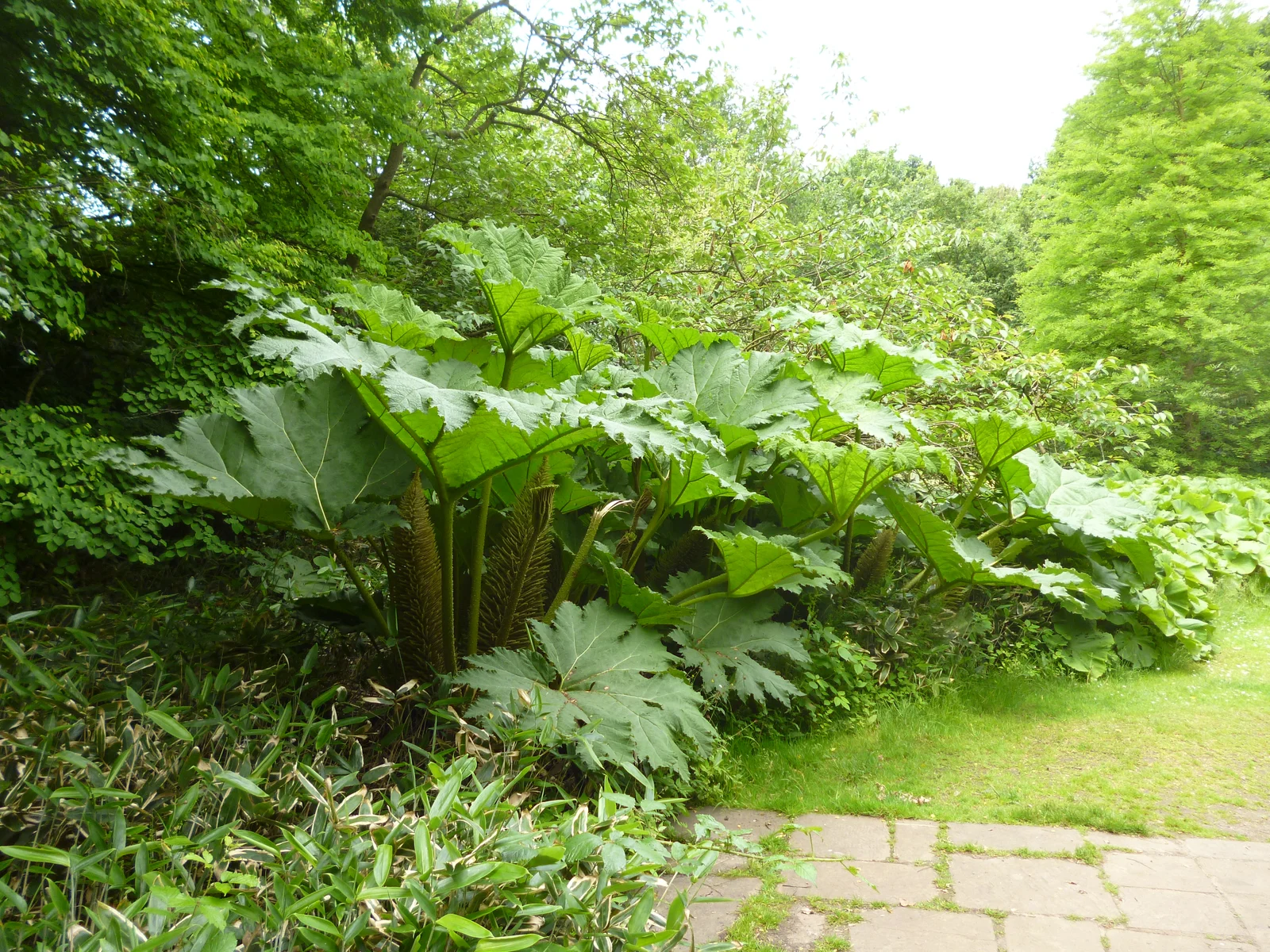
Hero: planting in Cannizaro Park, photographed in June 2013 by Dr Neil Clifton, CC BY-SA 2.0; resized and converted to WebP. The three archive photographs illustrate local character, not current property listings. Photograph credits and licences.
Why Wimbledon Village is our first choice for charm
The Village has a recognisable centre rather than feeling like a collection of residential streets with no natural meeting point. Its high street, smaller shopfronts and proximity to the Common create an appealing relationship between everyday errands and leisure. You can enjoy the streets themselves, rather than treating them simply as a route somewhere else.
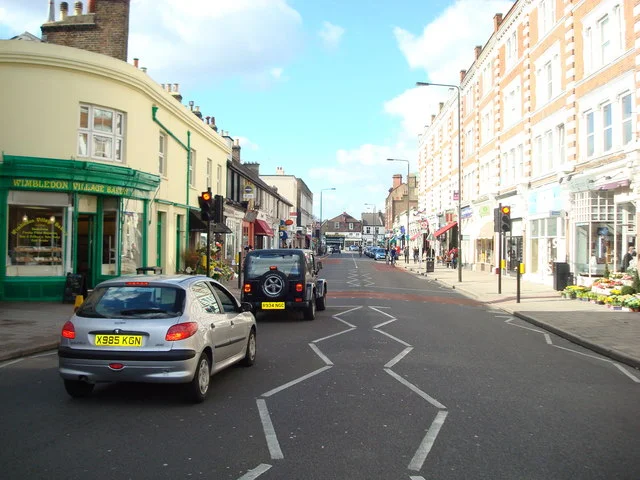
Its architectural character is also more than a marketing description. Merton Council lists Wimbledon Village as a conservation area and publishes a dedicated design guide. That does not mean every building is listed, or that every nearby address falls within the boundary. It does show that the area's historic appearance has a recognised planning context.
For somebody exploring on foot, that character is part of the attraction. For an owner, it brings responsibilities as well as enjoyment. Before buying with plans to change windows, extend a property or alter its exterior, check the precise designation and applicable permissions. An attractive streetscape is maintained through individual decisions, not simply inherited with a postcode.
The Common changes the experience of living nearby
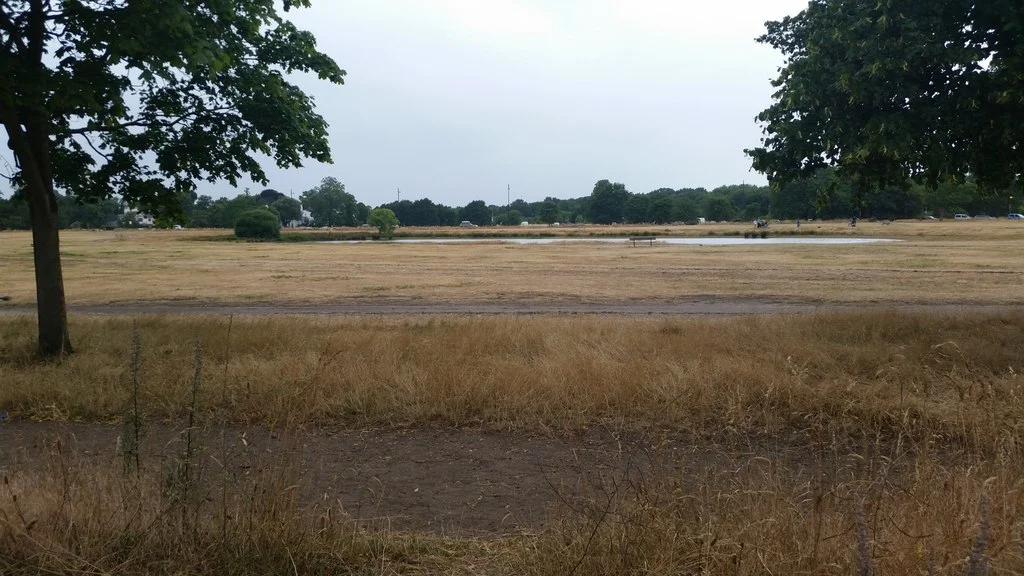
One of the strongest arguments for the Village is what lies alongside it. Wimbledon Common offers a different scale of outdoor space from a small neighbourhood square: places for longer walks, changing woodland views and routes that can become part of a regular routine. Being able to spend time outside without planning a separate day trip is a meaningful benefit.
The Commons Conservators describe Wimbledon and Putney Commons collectively as 1,140 acres. That figure covers several areas, including Putney Heath, Putney Lower Common and the Richardson Evans Memorial Playing Fields; it should not be presented as the size of Wimbledon Common alone. Their guidance also identifies woodland, heathland, scrub, recreation areas and nine ponds across the Commons.
Much of this landscape has important nature-conservation designations. That is a positive feature, but it also means the setting is a living habitat rather than a permanently manicured garden. Paths can be muddy, vegetation changes with the seasons, and visitors should follow the site's rules. Its natural character is precisely what many people find so appealing.
Cannizaro Park: a particularly lovely place to spend time
For a more cultivated landscape, Cannizaro Park deserves a place near the top of a Wimbledon itinerary. The attraction is not simply that it is green: it offers a collection of garden spaces with different textures, planting and settings, giving a short visit plenty of variety.
Merton Council's guide to Cannizaro Park describes its sunken, water, Mediterranean and rose gardens, along with rare trees, plants and shrubs. The council also identifies the park as a place for walks, picnics and family get-togethers. This is a concrete, publicly accessible amenity behind the area's appeal, rather than an estate-agent promise.
It is worth distinguishing the park from the Common. Cannizaro has opening hours and closes at dusk, while the Conservators describe the unfenced Commons as open throughout the year. Check the current arrangements before visiting. Enjoying the gardens is one thing; assuming every neighbouring outdoor space operates in the same way is another.
Village atmosphere does not mean countryside isolation
Part of the appeal is the contrast between a village-like setting and a London location. You can appreciate period architecture and greenery while remaining connected to the services and opportunities of a large city. That combination matters more than whether a neighbourhood perfectly resembles a rural village.
There are practical qualifications. The Village is uphill from Wimbledon town centre, and an address described as “Village” does not automatically mean a short, level walk to the main station. Distance on a map can feel different when carrying shopping, pushing a buggy or returning home after a long day.
Before making a decision, walk the actual route between the front door, transport and the places you use most. Include the gradient and road crossings, not just the estimated minutes. The nicest outlook is much easier to enjoy when the ordinary movements of your week work comfortably too.
How does Wimbledon Park compare?
Wimbledon Park is an alternative worth exploring if your idea of a pleasant neighbourhood centres on residential streets, local amenities and access to a substantial public park. Its appeal is different from the Village's compact high-street setting, rather than simply a lesser version of it.
The name needs a little care: Wimbledon Park can mean the public park, the station or a wider residential area. Do not assume that every property using the label has the same relationship to all three. Look at the exact address, the nearest usable park entrance and the route to transport.
For a broader comparison, our guide to the best areas to live in Wimbledon considers how the main neighbourhoods differ. A quieter-feeling residential setting with a convenient daily route may be a better personal answer than choosing the area with the strongest visitor reputation.
Central Wimbledon: nicest for everyday convenience?
Some buyers find the nicest part of a place is the part that makes life easiest. Central Wimbledon has a busier atmosphere than the Village, but the concentration of transport, shopping and services can reduce the time spent organising ordinary tasks.
That convenience is not confined to the busiest shopping streets. Nearby residential roads can offer a different experience from the commercial centre itself. The key is to assess the individual position: a flat above an active frontage, a home overlooking a railway and a property set back on a side street are not interchangeable.
Visit at the times that matter to you. An evening viewing may reveal something different from a quiet weekday appointment. If you enjoy being able to make plans without a separate journey into the centre, practical proximity may contribute more to your sense of wellbeing than a more picturesque but less convenient location.
Wimbledon Chase and South Wimbledon deserve a fair comparison
Neither neighbourhood should be dismissed because it does not reproduce the Village atmosphere. Wimbledon Chase has its own residential character, while South Wimbledon offers a different relationship to the wider area's transport and local services. They can suit buyers whose priorities are not centred on the Common.
It is unhelpful to assume that every home in either area is cheaper, quieter or better connected than every Village property. The type, size, condition and tenure of a home all affect that comparison. A well-positioned property that fits the budget comfortably can offer a better experience than stretching for an address that requires compromises elsewhere.
Try comparing an actual shortlist rather than neighbourhood labels. Walk the surrounding streets, locate the facilities you would use and consider how you would travel at weekends as well as on working days. Personal fit is more useful than a fixed league table.
What makes a particular street feel especially nice?
Once you have chosen an area, the individual street often matters more than another round of neighbourhood rankings. Consider traffic, pavement space, lighting, trees, the position of entrances and the way neighbouring buildings relate to the property. A pleasant outlook is not necessarily the same as a private one.
Visit on foot rather than relying entirely on a drive past. Notice where people cross, how deliveries and parking work, and whether nearby activity matches the environment you want. None of those observations requires assumptions about who lives on a street or how expensive the houses look.
Different households will reach different conclusions. Somebody working from home may value a quieter room more than a lively outlook. Another buyer may prefer an active street with amenities close by. “Nice” becomes a more useful description when you can say exactly which qualities you mean.
Characterful homes: look beyond the first impression
A period frontage, mature garden or leafy setting can make a powerful first impression. Take time to check how the property works inside: natural light, room proportions, storage, heating, ventilation and access to outside space all affect the experience of living there.
Ownership details matter too. For a flat, review the lease, service charges, planned works and management arrangements. For a house, understand maintenance needs and any restrictions before making assumptions about improvements. Conservation-area status is not a blanket ban on change, but it is a reason to investigate carefully.
Our article on buying a home in Wimbledon explores the wider decision. A neighbourhood's appeal does not remove normal buying risks, and no area's reputation guarantees future price growth. A suitable home and a sustainable budget remain the essentials.
A practical way to choose your nicest part
Start with three non-negotiables and separate them from preferences. For example, a manageable journey, enough usable space and affordable running costs may be essential; a particular view or architectural style may be desirable but flexible. This makes it easier to compare homes without being distracted by one attractive feature.
- Explore the Village and Common if atmosphere, heritage and longer outdoor walks are your priorities.
- Compare Wimbledon Park if you want a residential setting with access to a substantial park.
- Try central Wimbledon if nearby transport and services would improve your daily routine.
- Include Wimbledon Chase and South Wimbledon rather than assuming the Village is the only worthwhile search area.
If schools are relevant, check current admissions arrangements for the exact address and year rather than relying on an area name. If accessibility matters, test the complete route yourself. The most useful viewing is one that reflects your real requirements, not somebody else's idealised version of Wimbledon.
Our verdict: start with the Village, then make it personal
For a first answer to “What is the nicest part of Wimbledon?”, we would choose Wimbledon Village and the adjoining Common. The combination of a distinctive centre, recognised historic character and access to both natural and cultivated green spaces is compelling. Cannizaro Park adds another reason to spend time in this part of the area.
For a home purchase, however, the final answer should come from the way you live. A better daily route, a more suitable property or a comfortable financial commitment may make another neighbourhood your favourite. Wimbledon is appealing partly because those alternatives exist: you do not have to choose one version of local life to enjoy what the wider area offers.
Research note: Local landscape and facilities were checked against Merton Council's Cannizaro Park information, the council's conservation-area list and the Wimbledon and Putney Commons Conservators' overview. The recommendation is an editorial assessment, not an official award or a prediction of property values. Facilities and access arrangements may change.
For help comparing neighbourhoods and finding a home that suits your priorities, speak to your wimbledon estate agent.
Share this article