Which area in Wimbledon is considered the best to live in?
If your idea of the best Wimbledon lifestyle includes a characterful high street, attractive homes and walks on the Common, Wimbledon Village is a natural first choice. It offers a particularly appealing combination of neighbourhood identity and open space. However, it is not automatically the best address for every household, and there is no official league table that settles the question.
Wimbledon Park may provide a better balance for a family wanting park access and a District line station. Central Wimbledon can be more convenient for regular rail commuters, while Wimbledon Chase and South Wimbledon deserve attention for their own residential character and transport options. The right answer depends on how you live, not simply which neighbourhood has the most recognisable name.
This guide compares those choices and explains the trade-offs behind them. Our recommendations are an editorial assessment of local amenities and practical considerations, rather than a claim that any one area guarantees higher prices, better schools or a particular investment return.
Wimbledon Village: best for character and Common-side living
The Village is an obvious starting point for buyers who want a sense of place. Its high street brings together cafés, restaurants, shops and services, while nearby streets connect with Wimbledon Common. That relationship between a compact commercial centre and a substantial green landscape makes it feel distinct from the busier town centre below the hill.
Housing ranges from cottages and period conversions to substantial detached properties and contemporary homes. Architectural character, generous gardens and proximity to the Common can be important attractions, but they are not available at every address. Compare the actual property rather than assuming the Village label guarantees space, privacy or parking.
The main compromises are budget and convenience. A similar amount of money may buy less accommodation here than in some surrounding locations, although every comparison depends on condition and property type. The route to Wimbledon station can also be longer and steeper than an online map first suggests. Walk it in both directions before deciding it fits your commute.
For buyers who prioritise landscape, local character and an established high street, the Village is our leading choice. For somebody taking an early train five days a week, its advantages may not outweigh the practical benefits of living nearer the station.
Cannizaro and the Common: best for a greener daily routine
The residential streets around the Common and Cannizaro Park appeal to people who want the outdoors to be part of ordinary life. A morning walk, an afternoon among trees or an unhurried weekend close to home can be a meaningful benefit. It is a different proposition from buying somewhere primarily for its shops or nightlife.
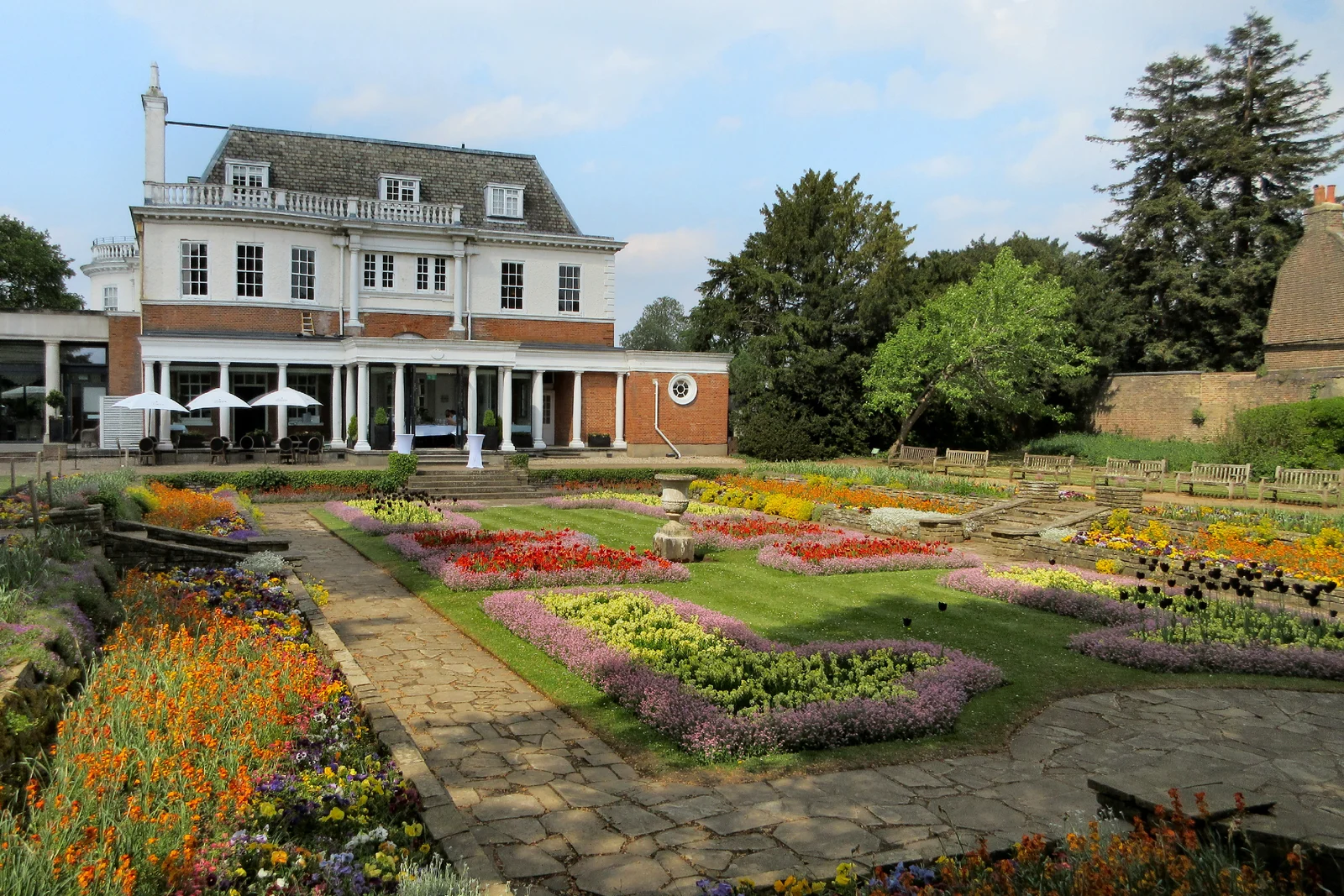
Merton Council describes Cannizaro Park's collection of gardens, rare trees and woodland, including its Italian, sunken and water gardens. The park sits west of Cannizaro House and Westside Common. It complements the wider Common landscape rather than replacing it, offering a more ornamental setting for walks and time outside.
Some homes in this wider setting involve a greater distance from stations and everyday errands. Check pedestrian routes, gradients and buses, and remember that public parks have opening arrangements. A beautiful outlook is valuable, but a house must also work when you are carrying shopping, managing school runs or returning late in winter.

Wimbledon Park: best for a balanced family lifestyle
Wimbledon Park is a strong all-round option for households wanting residential streets, outdoor facilities and access to the Underground. The neighbourhood includes period terraces, semi-detached houses, conversions and purpose-built homes. Properties vary substantially in size and layout, so it is worth comparing several streets before settling on a preferred pocket.
The park is a tangible everyday asset. Merton Council's guide to Wimbledon Park lists a lake, athletics track, play areas, tennis courts, adventure golf and a watersports centre. That range supports different ages and interests, rather than just providing attractive scenery. Bookings, charges and opening times vary, and lake activities are subject to the council's rules.
Wimbledon Park station serves the District line, while shops around Arthur Road support local errands. The combination can make the area feel manageable without relying on the town centre for every outing. Nevertheless, the walking route to the park entrance or station matters more than a broad distance measured across the map.
Traffic, school journeys and seasonal activity near the tennis grounds should be checked at the individual address. Buyers considering a larger home can explore our guide to where to buy a family house in Wimbledon for a closer look at the residential options.
Central Wimbledon: best for transport and everyday convenience
For people who value having transport, shops and services within a short walk, central Wimbledon may be the most useful place to live. Wimbledon station brings together National Rail, the District line and trams, with rail services including South Western Railway and Thameslink. The town centre also supports errands, eating out and cultural visits without requiring a separate journey across the area.
Apartments and conversions can appeal to professionals, downsizers and buyers who prefer a manageable home to a larger garden. Being able to collect groceries on the way back from the station or meet friends locally can be more valuable than an address farther from activity.
The compromises are usually property-specific: road noise, evening activity, railway proximity, parking or limited outside space. Visit at the times you expect to be home. A flat facing away from a busy road can feel very different from one in the same building overlooking traffic.
For commuters, compare the complete door-to-door journey rather than a headline train time. Include waiting, changes and the final walk at your destination. Accessibility and service patterns should be checked with the relevant operator for your actual route.
Wimbledon Chase: best for a neighbourhood-focused setting
Wimbledon Chase is worth considering if your priorities are residential streets, local shops and a rail station of its own. It can suit households that want a less town-centre-focused routine while remaining connected to the wider Wimbledon area. Housing includes interwar family homes, terraces, conversions and later developments.
The attraction is often the practical arrangement of home and neighbourhood: a usable garden, room for storage, nearby errands and a familiar route to the station. Some properties may offer a different space-to-budget balance from the Village, but it would be misleading to treat every Chase address as inexpensive.
Wimbledon Chase station is on the Thameslink network. Check its current timetable against your working hours rather than assuming the frequency or destination options match Wimbledon station. Also test the routes to the places you use most, including childcare, shops and leisure facilities.
For buyers considering an extension or an already altered house, investigate the relevant permissions, building-control records and structural condition. Extra floor area only adds real value when the layout works and the supporting paperwork is satisfactory.
South Wimbledon: best for Northern line access
South Wimbledon offers a different transport starting point. Its Underground station serves the Northern line, which may fit a buyer's destination better than the rail or District line options elsewhere. The area includes period terraces, flats and newer housing, alongside shops and services on the main roads.
It is particularly worth comparing if your search began around the Village but your budget or commute points elsewhere. A home that gives you a more comfortable monthly payment and a simpler journey can be a better choice than stretching for an address whose advantages you rarely use.
Conditions change from main-road frontage to quieter side streets. Look at traffic, crossings, parking restrictions and the route to outside space. Do not assume that every home described as South Wimbledon is within the same easy walk of the station.
For first-time buyers, lease terms and future costs deserve as much attention as location. A lower advertised price can be offset by substantial service charges, maintenance obligations or works that become due after purchase.
Which area is best for schools and growing families?
No neighbourhood can promise a school place simply because a property is close to the gates. Families should check the current admissions arrangements for each school and the relevant entry year. Distance may be only one criterion, and previous allocation distances are a guide rather than a guarantee.
Consider the family routine beyond admissions. How will children travel in bad weather? Is there suitable wraparound care? Can older children eventually reach activities independently? A house with an impressive extra bedroom may be less useful than a smaller home with straightforward everyday routes.
Wimbledon Park and Wimbledon Chase are sensible starting points for buyers seeking conventional family-house layouts. The Village may suit those who put Common access and character first, while central or South Wimbledon can work well when transport and budget carry greater weight. The best answer remains household-specific.
How should you compare value between neighbourhoods?
Compare like with like. A renovated freehold house and a leasehold apartment are not interchangeable evidence of local value, even if their floor areas are similar. Look at condition, tenure, outdoor space, parking, orientation, station access and realistic maintenance costs alongside the headline asking price.
For a flat, review the lease, service-charge history, planned major works and management arrangements with your solicitor. For a house, a suitable survey can help identify roof, drainage or structural concerns. Conservation restrictions may also affect changes you hope to make in parts of Wimbledon.
Our article on whether Wimbledon is a good place to buy examines the broader purchasing decision. Whichever neighbourhood you prefer, leave room in your budget for transaction costs and repairs rather than committing everything to the purchase price.
A practical way to choose your own best area
Start with three non-negotiables and three preferences. Your non-negotiables might be a maximum monthly cost, a particular transport connection and step-free access at home. Preferences could include a larger garden, a favourite high street or proximity to the Common. Keeping those categories separate makes trade-offs clearer.
Then visit two or three shortlisted neighbourhoods at different times. Walk from a prospective home to the actual station entrance, nearest useful shop and preferred green space. Notice gradients, crossings, noise and the practicality of carrying a pushchair or bags. Repeat the journey in the evening if that is when you normally return.
Check parking rules, broadband availability at the exact address and local planning proposals. If noise or safety is a concern, investigate specific evidence and your own observations rather than relying on broad neighbourhood stereotypes. A good decision comes from understanding a street, not only reading its reputation.
Our verdict: the Village for character, but not for every buyer
If we had to choose one area for the combination of character, high-street appeal and access to the Common, Wimbledon Village would lead our shortlist. It captures a distinctive version of Wimbledon life. That is a lifestyle judgement, not a declaration that it is objectively superior or the right financial choice for everyone.
For a rounded family search, start with Wimbledon Park. For transport convenience, look closely at central Wimbledon. For a neighbourhood-centred routine, include Wimbledon Chase; for Northern line access, compare South Wimbledon. Nearby Raynes Park can also broaden a search where local boundaries matter less than the home itself.
The best area is the one where your budget, property and weekly routine fit together comfortably. To discuss those priorities and compare suitable homes, speak to your wimbledon estate agent.
Share this article