Buying a house in Wimbledon: a step-by-step guide
Buying a house in Wimbledon is an opportunity to combine London connections with a neighbourhood that feels like somewhere to settle. The attraction is easy to understand: distinctive residential streets, the Village, substantial green spaces and a town centre with everyday services. Turning that attraction into the right purchase, however, takes more than finding an appealing photograph online.
The best search starts with your budget, daily routine and tolerance for work, then moves through practical checks before you commit. This guide explains how to approach the process in October 2026, from choosing an area to collecting the keys. It focuses on buying a home to live in, rather than a rental investment, and offers general information rather than individual mortgage, legal, tax or surveying advice.
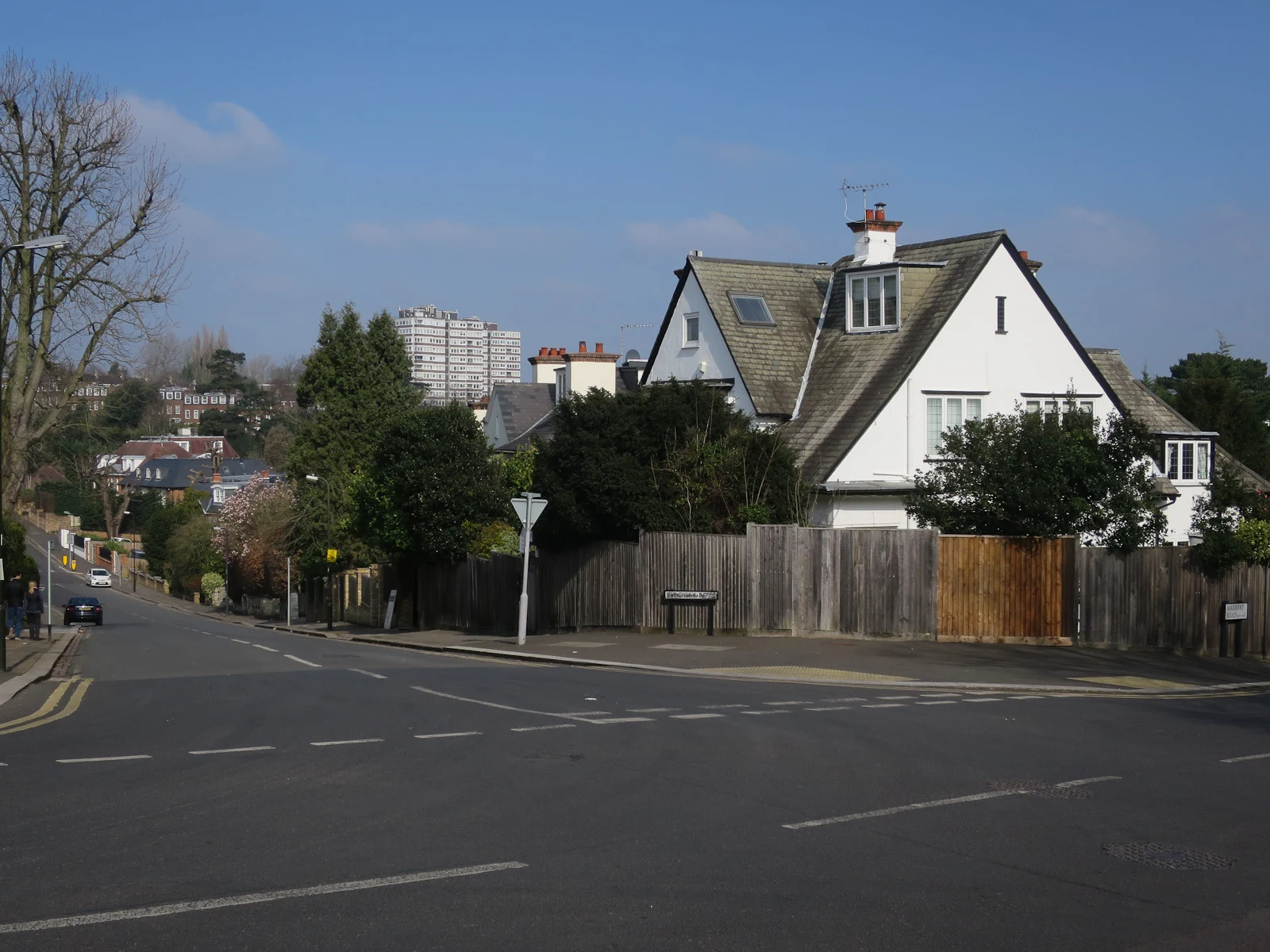
Hero photograph: Burghley Road, Wimbledon, March 2016, by Hugh Venables, CC BY-SA 2.0. An archive neighbourhood view, not a current property listing. Photograph credits and licences.
Start with the life you want the house to support
Write down the requirements that would change your everyday experience. These might include a manageable journey to work, a separate workspace, step-free access, room for children or somewhere to keep bicycles. Distinguish genuine essentials from features that would simply be pleasant to have.
Then consider how those needs could develop. A compact house can feel generous when its layout works well, while a larger home may have bedrooms or circulation space that add little practical value. Think about stairs, storage, bathrooms, natural light and garden access rather than judging suitability solely by the bedroom count.
A clear brief also makes conversations with agents more productive. Explain your financing position, ideal timing and acceptable compromises. You can refine the brief after viewing several homes, but starting with priorities helps prevent an impressive kitchen or attractive street from obscuring a fundamental mismatch.
Choose your Wimbledon neighbourhood carefully
Wimbledon is not one uniform housing market. The Village and streets near the Common appeal to buyers who value a distinctive setting and outdoor life. Homes closer to the town centre may offer more convenient access to its station, shops and services. Neither choice is automatically better: the right balance depends on how you spend an ordinary week.
Wimbledon Park, South Wimbledon, Wimbledon Chase and neighbouring Raynes Park provide further options with different transport connections and street patterns. South Wimbledon's Northern line access is a different proposition from the District line and rail connections available elsewhere. Test the journey you would actually make, rather than choosing a station name in isolation.
For a fuller comparison, explore our guide to the best areas to live in Wimbledon. Use neighbourhood descriptions to build a shortlist, then assess the individual road, approach and property.
Set a complete budget before arranging viewings
Your buying budget is not simply your deposit plus the largest mortgage a calculator suggests. Speak to a qualified mortgage adviser or lender about affordability, obtain a decision in principle where appropriate, and understand that this is not a guaranteed mortgage offer.
Allow separately for legal work, searches, a survey, lender and broker charges, removals and immediate repairs. Retain a contingency rather than putting every available pound into the purchase. A house can need attention shortly after completion even when a viewing gives a reassuring first impression.
Compare the ongoing costs too: council tax, insurance, heating, commuting and maintenance. Ask about energy use and inspect the Energy Performance Certificate, but do not treat an indicative energy estimate as a promise of future bills. A comfortable purchase should remain manageable after the excitement of moving has passed.
Understand prices without relying on a single average
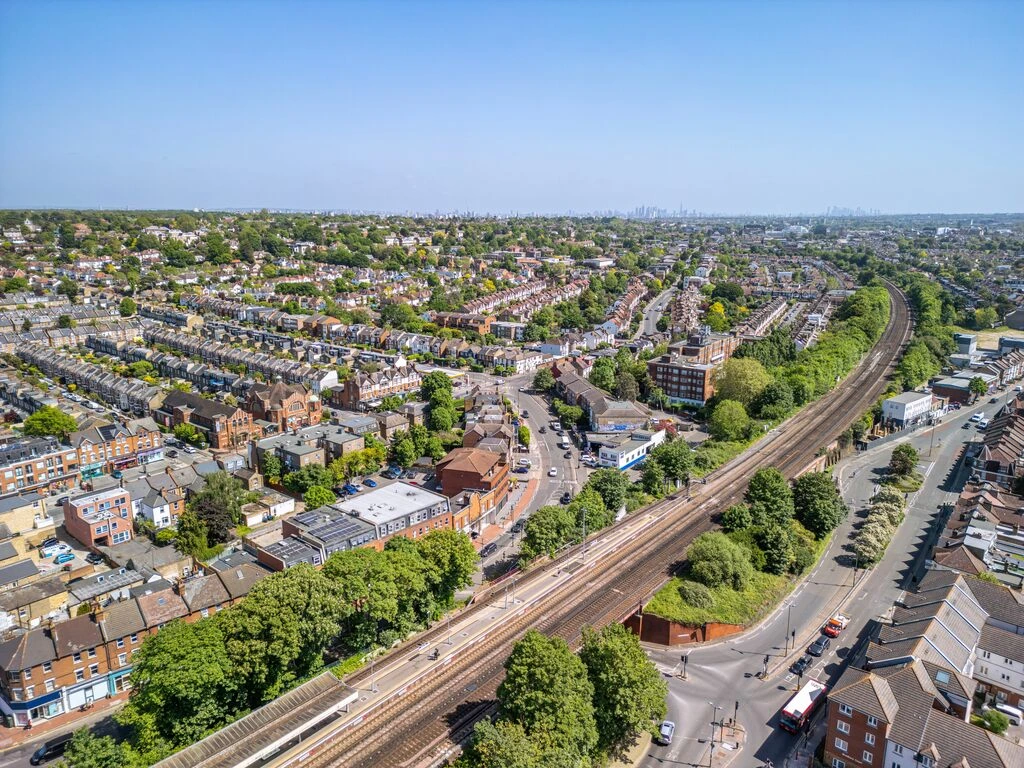
The ONS Merton housing release updated on 15 September 2026 reported provisional July 2026 averages of £687,000 for terraced properties and £954,000 for semi-detached properties. These figures describe the wider borough, not a valuation of Wimbledon houses or a minimum budget for a particular neighbourhood.
Condition, floor area, garden size, tenure, parking and the precise position can produce substantial differences. Compare recent completed sales of genuinely similar houses, and discuss how their condition and transaction dates affect the comparison. An asking price expresses the seller's position; it is not evidence that a buyer has paid that amount.
A smaller, well-planned house in sound condition may be a better fit than a larger property whose repairs consume your reserve. Focus on the total commitment and suitability, not only the headline price.
Work out stamp duty early
Under the standard residential SDLT bands checked for this guide, an £800,000 purchase attracts £30,000 in stamp duty: nothing on the first £125,000, £2,500 on the next £125,000 and £27,500 on the remaining £550,000. This is an illustrative standard-rate calculation, not advice on your transaction.
First-time-buyer relief has separate eligibility conditions and does not apply when the purchase price exceeds £500,000. Buyers acquiring an additional residential property usually face an extra five percentage points, while non-UK-resident and corporate purchases can involve further rules.
Ask your solicitor to confirm the correct treatment, particularly if you are buying before selling another home or purchasing jointly. Recheck the rules for your completion date. A realistic tax allowance can change the price range you should be searching within.
Get your paperwork and moving position ready
Prepare the identification and source-of-funds information your lender and legal representative request. If part of the deposit is a gift, tell them early so they can explain the evidence and declarations required. Keep documents organised and respond promptly to questions, without sending sensitive information to an unverified contact.
If you are selling, discuss how your sale and purchase depend on each other. If you are renting, check your existing agreement and notice requirements before promising a move-out date. A gap between homes may require temporary accommodation or storage, and those costs belong in the plan rather than appearing as a last-minute surprise.
Agree how updates will be shared between you, the agent, adviser and conveyancer. Regular, specific communication about outstanding enquiries is more useful than repeatedly asking whether completion will happen soon. Good preparation cannot remove every delay, but it helps prevent avoidable ones.
View the house and its surroundings more than once
At a viewing, look beyond furniture and decoration. Consider room proportions, storage, daylight, ventilation and the relationship between kitchen, living space and garden. Ask about the age and maintenance of the roof, windows and heating, and note anything that deserves professional investigation.
Return at another time where possible. Road noise, parking pressure and the atmosphere around nearby shops or schools can change during the day. Walk the route to transport and check whether slopes, crossings or unlit sections would affect your routine.
For families, investigate current admissions arrangements directly with the relevant authority or school. A nearby address does not guarantee a place. For every household, check the practical details that listings cannot establish, including broadband availability, access arrangements and the actual usefulness of outside space.
Check tenure, boundaries and shared responsibilities
Do not assume that every house is freehold or that freehold ownership means no shared costs. Your conveyancer should explain the title, boundaries, rights of way, restrictive covenants and any estate charges or shared maintenance obligations.
If the house is leasehold, investigate the remaining term, charges, restrictions and implications for finance and future sale. Where there is a shared drive, access lane, drain or boundary structure, establish who can use it and who pays for repairs.
Ask what is included in the sale, from garden structures to fitted appliances. Written clarity is more useful than assumptions made during a viewing, especially where a feature is important to your decision.
Investigate extensions and conservation controls
A loft room or extended kitchen can improve a house, but the right questions concern consent, construction and documentation. Ask your solicitor to investigate the approvals relevant to existing alterations and raise gaps before you are committed.
Merton Council explains that conservation areas can have extra planning controls to protect local character. Some locations also have Article 4 directions affecting particular changes. Check the exact address and proposed work rather than assuming that a neighbouring extension proves you can build something similar.
If future enlargement is essential, seek professional advice on feasibility, planning, structure and cost before paying a premium for “potential”. The attractive possibility of more space is not equivalent to permission or an affordable building project.
Make an offer that reflects evidence and readiness
Before offering, ask about the seller's timing, any onward purchase and the position of the chain. Explain whether you have a property to sell, a decision in principle and funds available for the deposit and costs. Be accurate rather than overstating how quickly you can proceed.
Support your price with comparable evidence, condition and the work required. Put important conditions and inclusions in writing. In England, an accepted offer does not normally become legally binding until contracts are exchanged, so continue to manage the transaction carefully.
There is no universal offer discount that suits every Wimbledon house. A sensible negotiation reflects that particular property and your financial limit, not a percentage applied to every asking price.
Arrange a survey and independent legal checks
A lender's valuation is not a substitute for a survey commissioned to assess the home's condition. Discuss the appropriate inspection with a qualified surveyor, particularly for an older, altered or unusual house. Obtain specialist reports and repair estimates where the findings justify them.
Your conveyancer will investigate legal matters and relevant searches, including issues such as planning, drainage and environmental information. Ask about flood risk and insurance availability for the precise property rather than making assumptions from the neighbourhood's reputation.
The government's guide to buying a home offers a useful independent overview of the process. Knowing which professional handles each question helps you make informed decisions and keeps problems from being overlooked between parties.
Prepare for exchange, completion and moving day
Before exchange, make sure you understand your mortgage offer, legal report, survey findings, contractual obligations and agreed completion date. Arrange insurance when your solicitor advises it is required, and confirm that the necessary funds will be available.
Do not book your move on the assumption that an early target date is guaranteed. Chains, enquiries and finance can affect timing. Once the transaction is ready, your solicitor can explain how exchange makes the agreement binding and how completion transfers the purchase money and releases the keys.
Protect yourself against payment fraud by confirming bank details through a trusted contact method before transferring money. After moving, keep the important documents together, record meter readings and prioritise essential maintenance before optional decorating.
Make your next step a focused local search
Wimbledon offers real choice, but a successful purchase depends on matching the location and house to your own circumstances. A disciplined budget, repeat visits and independent checks make it easier to recognise the right home without ignoring an expensive compromise.
If you are weighing different family-house locations, our guide to where to buy a family house in Wimbledon can help refine the shortlist. Then compare available houses against your essentials, not somebody else's idea of the perfect address.
To begin a practical conversation with estate agents Wimbledon, contact The Wimbledon Estate Agent with your budget, preferred areas and moving plans. The aim is a home that works for your everyday life as well as your first impression.
Research checked 18 October 2026: GOV.UK Buying a home and residential SDLT guidance; the government's How to buy guide for general process principles; Merton Council conservation-area guidance; ONS Merton release updated 15 September 2026. Price figures are provisional, dated borough-wide estimates. Verify current tax rules, permissions, admissions arrangements and property-specific advice before committing.
Share this article